

Wabi-Sabi Wall Art
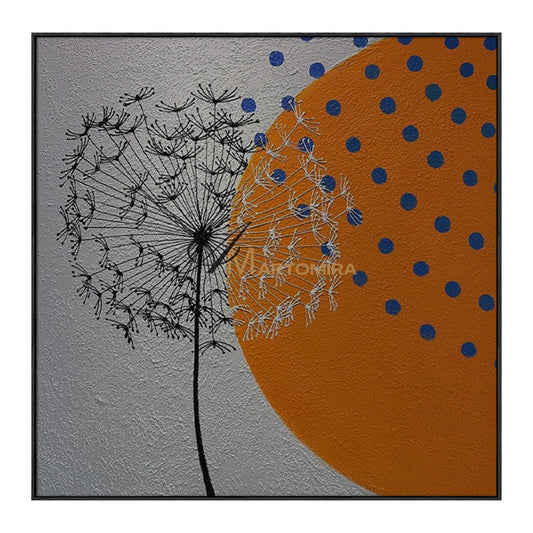
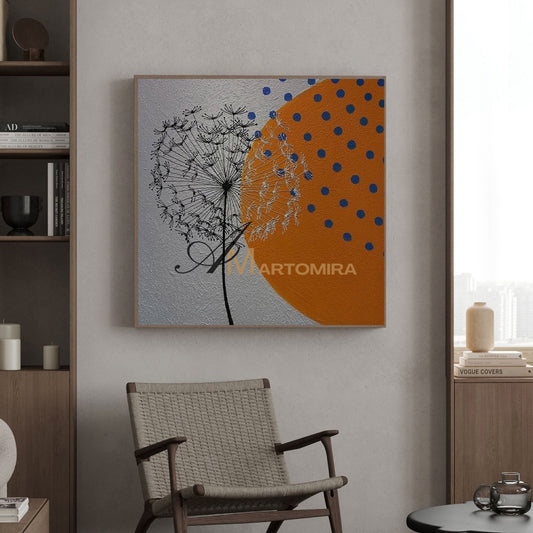
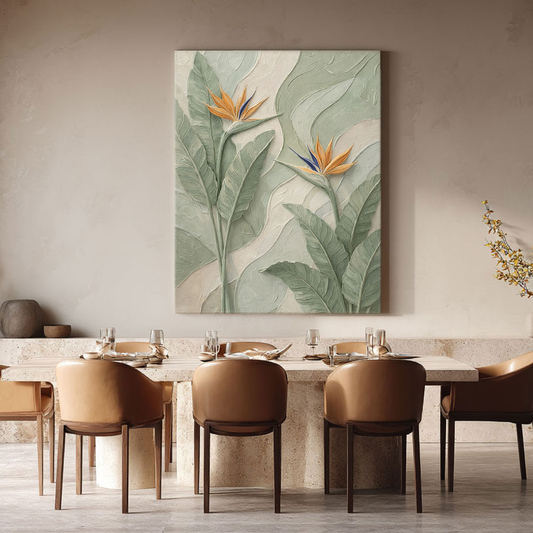
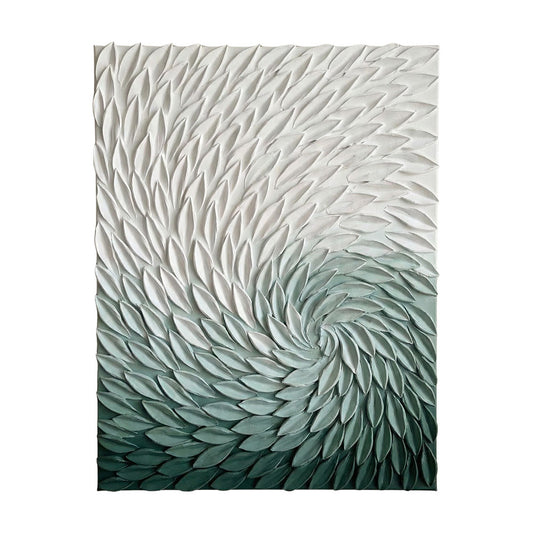
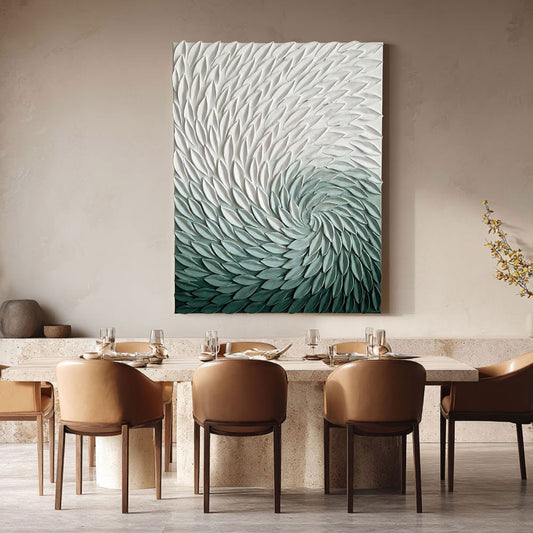
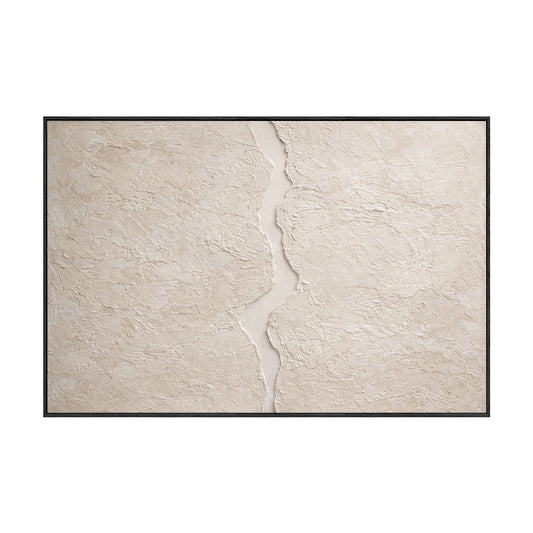
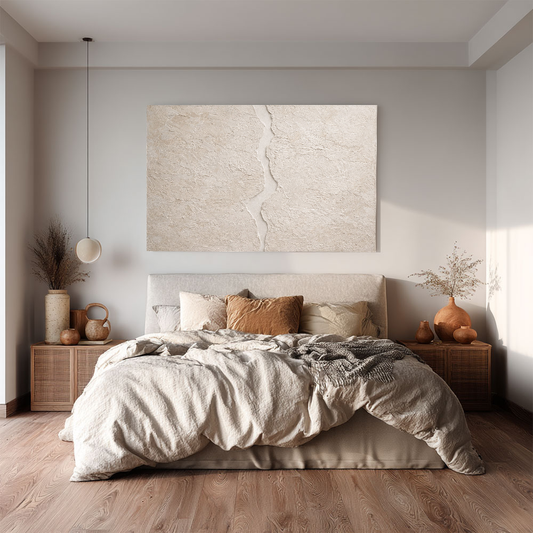
Wabi-sabi wall art embraces the beauty of imperfection — organic forms, muted earth tones, raw plaster surfaces, and textures that look as though they have been shaped by time rather than intention. This is art that breathes with the space it inhabits.


Best for: Japandi interiors, Scandinavian spaces, organic modern design, meditation rooms, and any space where calm is the goal.
Every crack is deliberate. Every uneven edge is intentional. Wabi-sabi art does not try to be perfect — it tries to be honest.
Our wabi-sabi collection is Artomira's signature. These hand-painted pieces combine plaster, gesso, and earth-tone pigments to create surfaces with genuine 3D depth that interact with natural light throughout the day.



Pairs With These Interiors
Japandi · Organic Modern · Desert Modern · Mediterranean · Natural Material Interiors · Rustic Contemporary
Best Materials for Wabi-Sabi
Plaster & Gesso (signature) · Oil Impasto in earth tones · Mixed Media with gold foil · 3D Sculptural reliefs in neutral palettes
Minimalist Wall Art
Minimalist wall art is defined by what it leaves out. Clean geometry, restrained palettes, and deliberate negative space let your interior breathe. These pieces work by subtraction — creating focal points that calm rather than compete.

The most powerful minimalist art uses texture as its only voice. When you strip away color and narrative, what remains is shadow, depth, and material presence.
From monochrome plaster grids to soft beige impasto studies, our minimalist collection brings quiet sophistication to modern spaces without visual noise.
Best for: Modern apartments, Scandinavian rooms, professional offices, gallery walls, clean-line contemporary interiors.
Abstract Wall Art
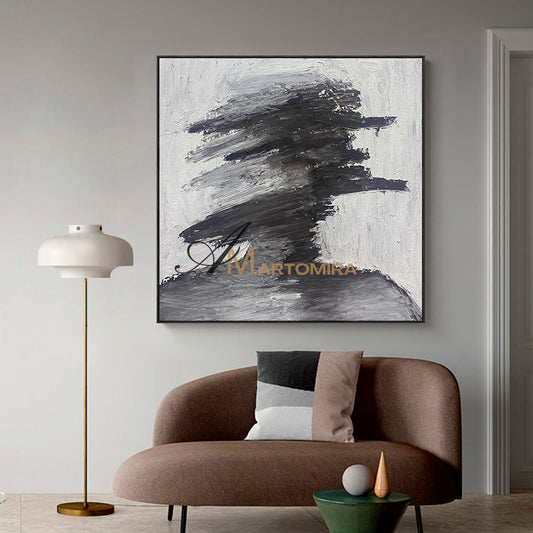
Abstract wall art speaks through color, form, texture, and gesture — freeing you from literal representation. A hand-painted abstract piece becomes the emotional anchor of a room.
Abstract art does not tell you what to feel. It creates the conditions for feeling.
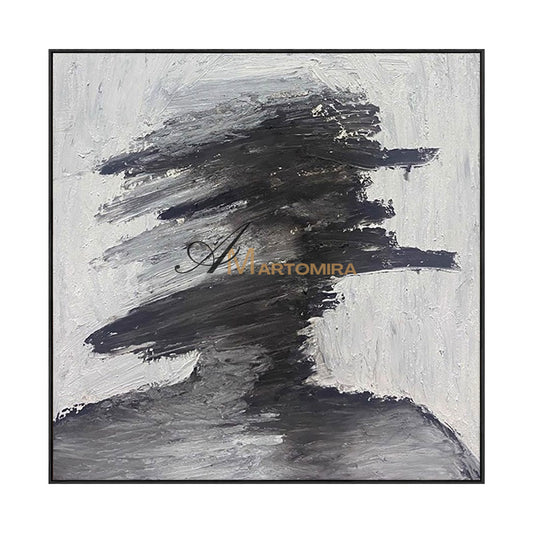
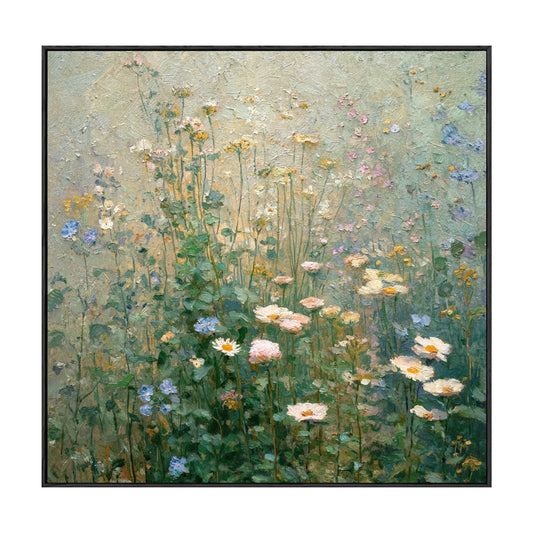
Our hand-painted abstracts range from bold, expressive compositions with heavy impasto to quiet, meditative studies. Black and white abstract art is particularly versatile — it anchors both neutral and bold interiors.
Best for: Living room focal walls, above-sofa statements, gallery walls, bold accent walls, and any space that needs emotional depth.
Contemporary Wall Art
Contemporary wall art is created for contemporary interiors — architectural composition, refined palettes, sculptural relief, and a strong relationship to space, scale, and material presence.

The most powerful minimalist art uses texture as its only voice. When you strip away color and narrative, what remains is shadow, depth, and material presence.
From monochrome plaster grids to soft beige impasto studies, our minimalist collection brings quiet sophistication to modern spaces without visual noise.
Best for: Modern apartments, Scandinavian rooms, professional offices, gallery walls, clean-line contemporary interiors.

Vintage Wall Art
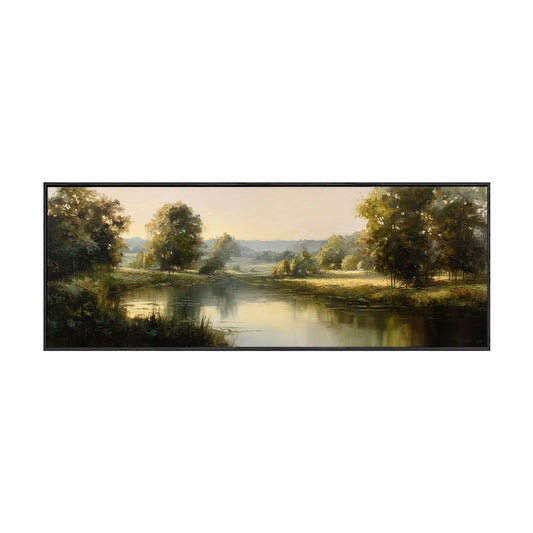
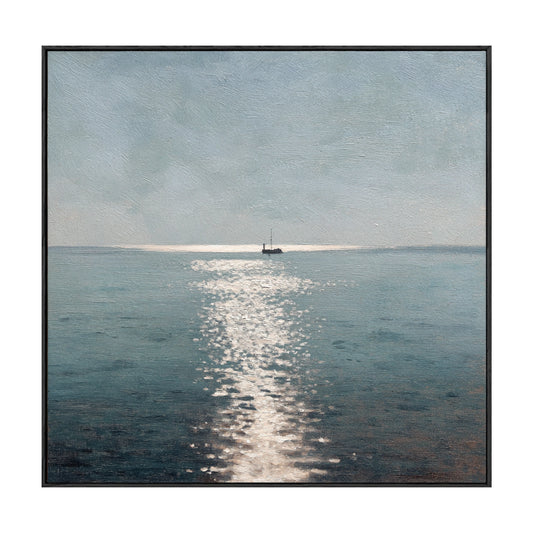
Timeless character from mid-century movements, aged patina effects, and classical composition. Vintage art brings warmth and narrative depth — it grounds a room with history, even when newly hand-painted.
Best for:
Traditional homes · Transitional interiors · Above fireplace · Libraries and studies


Style Comparison
Find the Right Style for Your Space
Vintage
Palette
Earth tones
Monochrome
Full spectrum
Refined neutrals
Warm patina
Composition
Organic, raw
Geometric, clean
Free, gestural
Architectural
Classical
Texture Level
●●●●○
●●○○○
●●●●●
●●●○○
●●●○○
Mood
Calm, grounded
Serene, quiet
Emotional, bold
Elevated, spatial
Warm, nostalgic
Ideal Interior
Japandi, organic
Scandi, modern
Bold accent wall
Design hotels
Traditional, warm
Best Material
Plaster, gesso
3D relief, plaster
Oil impasto
Mixed media
Oil impasto
Light Play
Shadow-forward
Subtle shadow
Color reflection
Multi-dimensional
Warm glow
How to Choose the Right Wall Art Style
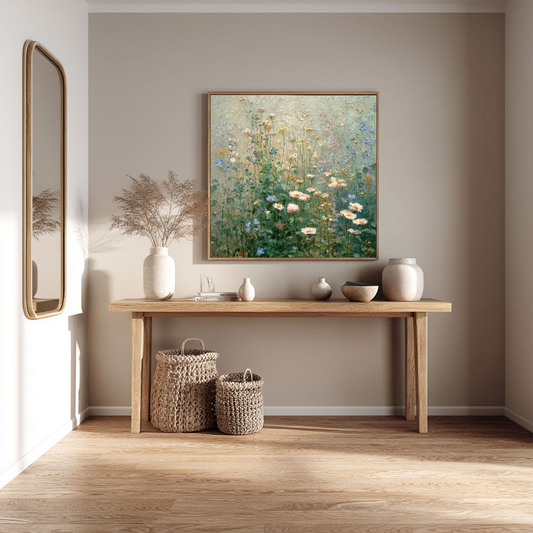
Choosing the right wall art style is about matching the energy of your space. Wabi-sabi wall art brings organic calm through imperfect textures and earth tones, making it ideal for Japandi and natural-material interiors. Minimalist wall art strips away excess to leave only geometry, shadow, and surface. Abstract wall art speaks through gesture and color, creating emotional focal points on bold accent walls.
Contemporary wall art bridges art and architecture — composed for spatial harmony in design-forward environments. Vintage art adds warmth and narrative depth. Colorful art injects energy and personality. Every style shares one foundation: each piece is 100% hand-painted with real texture on professional-grade canvas. No prints, no machine-applied textures.
Contemporary wall art bridges art and architecture — composed for spatial harmony in design-forward environments. Vintage art adds warmth and narrative depth. Colorful art injects energy and personality. Every style shares one foundation: each piece is 100% hand-painted with real texture on professional-grade canvas. No prints, no machine-applied textures.
Frequently Asked Questions
Which style works best for a modern living room?
Wabi-sabi and minimalist are most popular for modern living rooms — calm texture without visual competition. For a bold focal point above a sofa, abstract art in neutral or monochrome palettes works beautifully.
Can I mix different styles in the same room?
Yes, with restraint. Wabi-sabi and minimalist pair naturally. The key is consistent tonal range — mixing pieces within the same color family works better than mixing across dramatically different palettes.
What is the difference between wabi-sabi and minimalist art?
Wabi-sabi embraces organic imperfection — irregular forms, raw textures, beauty of age. Minimalist pursues geometric precision and deliberate restraint. Both use neutral palettes, but wabi-sabi feels natural while minimalist feels composed.
Is contemporary the same as modern wall art?
They overlap but differ in emphasis. Contemporary prioritizes spatial harmony and architectural composition. Modern is broader and includes any current-production piece regardless of spatial intent.
Related Collections


